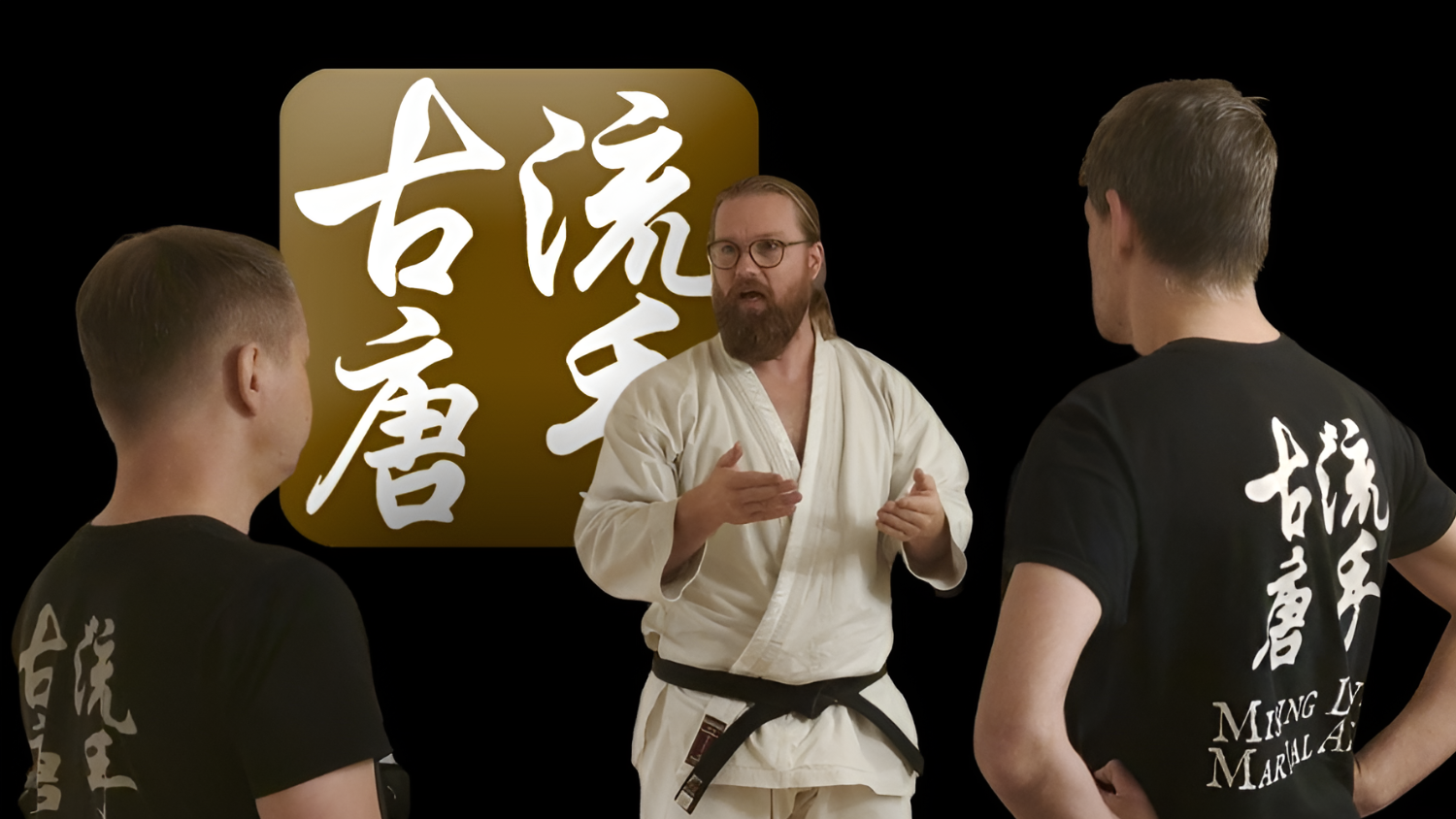
Sensei Sandro Sandten about Peer Tutoring in Martial Arts.
In Karate, you often get the feeling that you have to work everything out for yourself. But many eventually discover that learning in the Dojo becomes much easier when you have someone by your side. Someone who understands where you are, and helps you stick with it – even when you have to miss a session.
Why a Karate Buddy is Helpful
Missing classes is part of life. Work, family, illness – it happens. The bigger question is: How do I stay connected to the topic? A Karate Buddy can step in right there. A quick exchange after training allows you to catch up:
- What was practised?
- Where was the focus?
- Did the Sensei give any specific pointers?
This keeps you connected, helps you maintain the thread of the training, and prevents you from stepping onto the tatami completely cold next time.
Peer Tutoring in the Dojo
What is fascinating is that it’s not just the person who missed out who benefits. For the Senpai – or generally for the Buddy – this act of explaining often means sorting their own thoughts:
- What was the core correction really about?
- What did I take away from it myself?
- How would I make this understandable to someone else?
This concept of "Learning by Teaching" works astonishingly well in Karate. You quickly realise that you understand certain details much more clearly yourself once you try to explain them to someone else.
The Training Journal: A Small Tool with Huge Benefit
Additionally, a training journal can help to capture what has been learned. It doesn’t have to be anything grand – a notebook, digital notes, a few bullet points or sketches after training. The key is the moment of reflection:
- What worked well today?
- What do I want to work on?
- What do I want to keep an eye on for next time?
Buddy Notes can be a lovely addition here. Sometimes others explain specific things so precisely or vividly that you can work better with their descriptions later than with your own brief notes.
A Little Flashback
I remember a phase where I had to sit out for a few weeks. I thought I would lose touch. Fortunately, I had someone in the Dojo who sent me a few lines after every unit: which Kata was in focus, which mistakes were common, and what the teacher had pointed out specifically.
When I returned, I was naturally a bit rusty – but I knew where the journey was going.
Interestingly, my Buddy later mentioned that this little "reporting duty" had really helped him too. He observed more closely, trained more consciously, and understood many things more clearly.
Travelling Together
A Buddy doesn’t replace your own training, but they can fill gaps, provide orientation, and create motivation. And a training journal supports this by making your own path traceable. Martial arts is a long learning process – and sometimes it is easier not to walk it alone.
Conclusion: Stronger Together – Even Outside the Dojo
A Karate Buddy is more than just a nice idea. It is a tool to grow together, bridge absences, deepen knowledge, and consciously shape your own learning process. Whether as a Kohai feeling looked after, or a Senpai becoming stronger through teaching – peer tutoring makes you both better.
And a Training Journal records this path.
For long-term motivation.
For clarity.
For genuine progress.
Sensei Sandro is Chief Instructor for Missing Link in Germany.
https://karate-meerbusch.de/