A few years ago we recorded a GLIMPSE video that got a bit of attention. We were asked to create a readable version for those of you who do not want to sit through a lengthy chat.
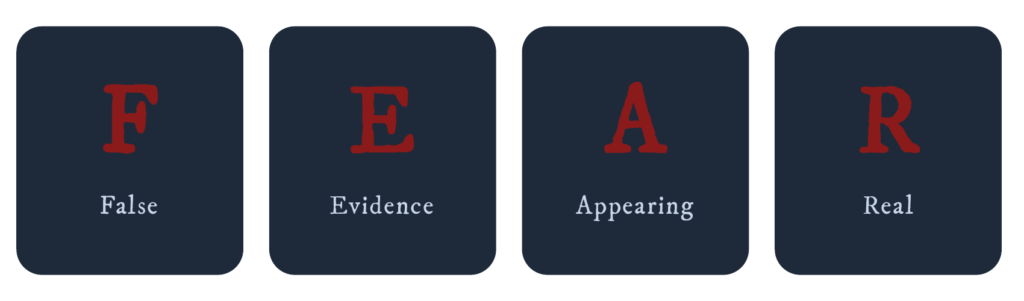
Fear originates in the amygdala, triggering a chemical cascade including adrenaline. Everyone reacts physically the same way — the difference lies in how we interpret that reaction. Fear is natural, and fundamentally a good thing. The problem is that modern life triggers fight-or-flight responses for trivial situations. Anxiety is, in many ways, the “new fear” of our time.
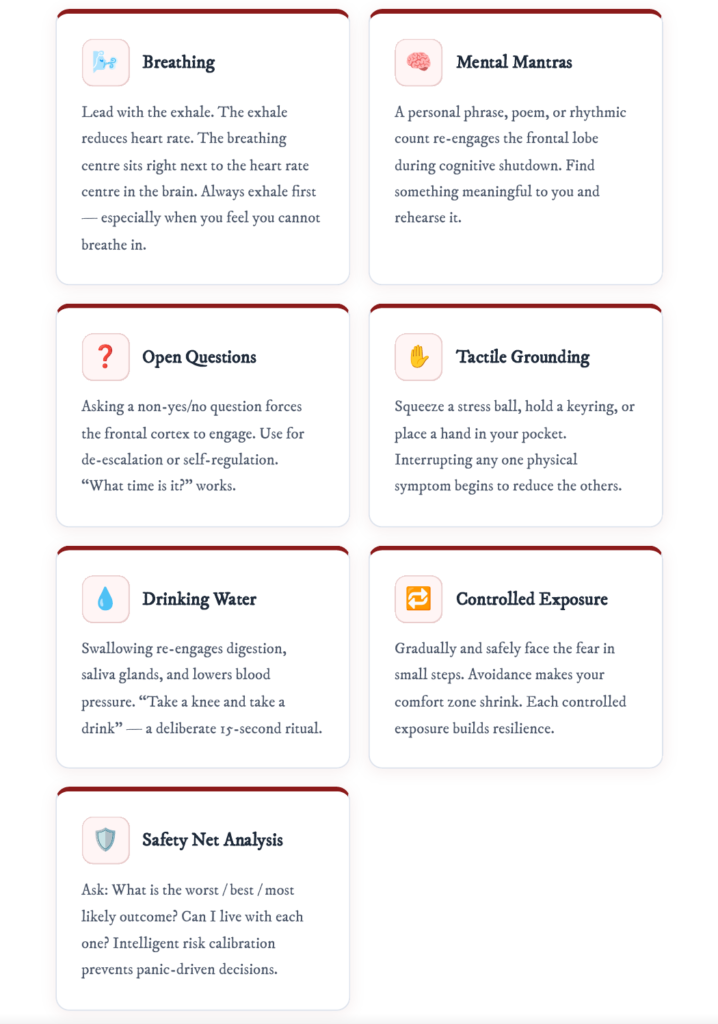
We either get scared based on false signals, or we ignore genuine warnings our subconscious is already detecting. Managing fear means learning to read signals correctly — neither panicking about false alarms, nor dismissing real warnings from within.
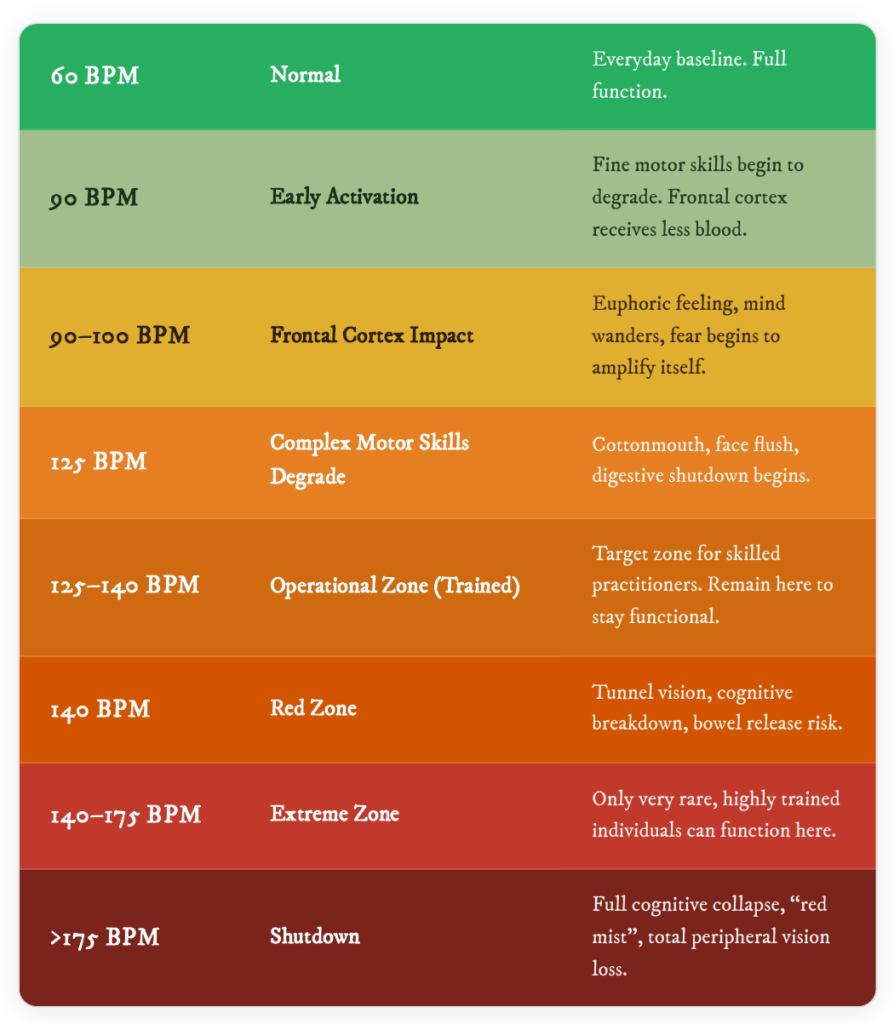
The Heart Rate Model Physiological levels of fear — fear-induced states, not athletic exertion
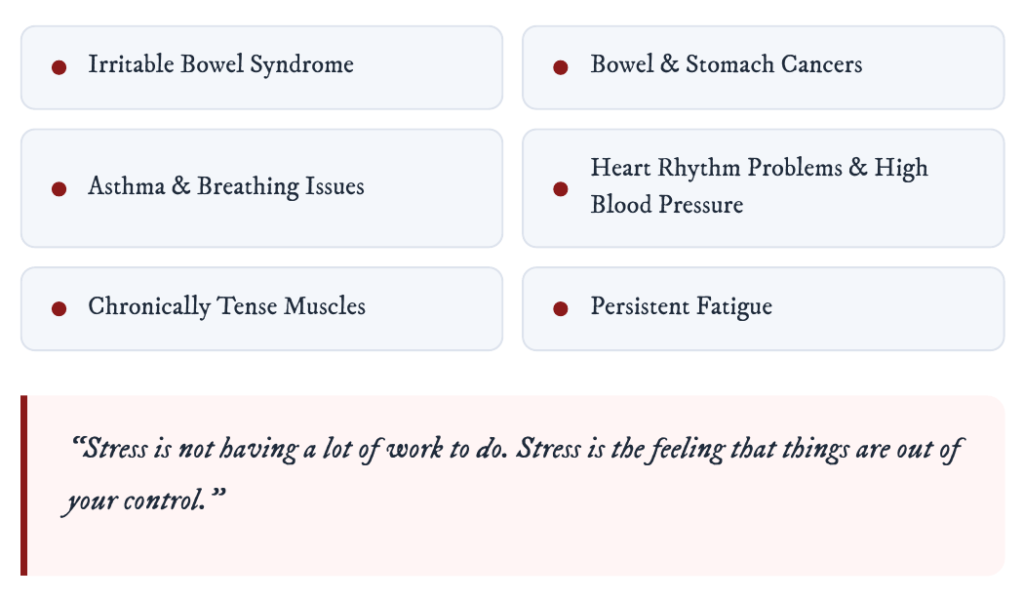
Chronic Stress: The Long-Term Dimension Beyond acute fear, approximately 75% of conflict-level stress simmering constantly is a modern epidemic. Causes include workplace bullying, domestic friction, road rage, and political frustration. Stress hormones do not disappear by simply sitting down — your body needs physical discharge. The consequences of chronic unresolved stress are serious:
Combat often looks chaotic. Especially in unarmed fighting, many things happen at once: movement, striking, pressure, balance, clinch, interruption, disengagement, re-entry. Because of this density, fighting is often experienced as unpredictable. But experienced practitioners frequently notice something else. Beneath the apparent chaos, recognizable structures begin to appear. Not fixed techniques. Not scripted sequences. But recurring […]
Keep what survives contact. This article shows how constraints, cycles, and partner pressure turn values into behaviour — and training into something that lasts. Sandro Sandten teaches partner-contact–oriented Karate with a pedagogical and sustainable design focus. His work centres on training systems that remain functional under real-life variability — honest partner interaction, clear constraints, and […]